1929-1968
Who Was Martin Luther King Jr?
Martin Luther King Jr. was a Baptist minister and civil rights activist who had a seismic impact on race relations in the United States, beginning in the mid-1950s. Among his many efforts, King headed the Southern Christian Leadership Conference. Through his nonviolent activism and inspirational speeches, he played a pivotal role in ending legal segregation of Black Americans as well as the creation of the Civil Rights Act of 1964 and the Voting Rights Act of 1965. King won the Nobel Peace Prize in 1964, among several other honors. Assassinated by James Earl Ray, King died on April 4, 1968, at age 39. He continues to be remembered as one of the most influential and inspirational Black leaders in history.
Quick Facts
FULL NAME: Martin Luther King Jr.
BIRTHDAY: January 15, 1929
DIED: April 4, 1968
BIRTHPLACE: Atlanta, Georgia
SPOUSE: Coretta Scott King (1953–1968)
CHILDREN: Yolanda, Martin III, Dexter, and Bernice King
ASTROLOGICAL SIGN: Capricorn
When Was Martin Luther King Jr. Born?
Martin Luther King Jr. was born January 15, 1929, in Atlanta. Originally, his name was Michael Luther King Jr. after his father. Michael Sr. eventually adopted the name Martin Luther King Sr. in honor of the German Protestant religious leader Martin Luther. In due time, Michael Jr. followed his father’s lead and adopt the name himself to become Martin Luther King Jr. His mother was Alberta Williams King.
The Williams and King families had roots in rural Georgia. Martin Jr.’s maternal grandfather, A.D. Williams, was a rural minister for years and then moved to Atlanta in 1893. He took over the small, struggling Ebenezer Baptist Church with around 13 members and made it into a forceful congregation. He married Jennie Celeste Parks, and they had one child who survived, Alberta.
Martin Sr. came from a family of sharecroppers in a poor farming community. He married Alberta in 1926 after an eight-year courtship. The newlyweds moved to A.D.’s home in Atlanta. Martin stepped in as pastor of Ebenezer Baptist Church upon the death of his father-in-law in 1931. He, too, became a successful minister.
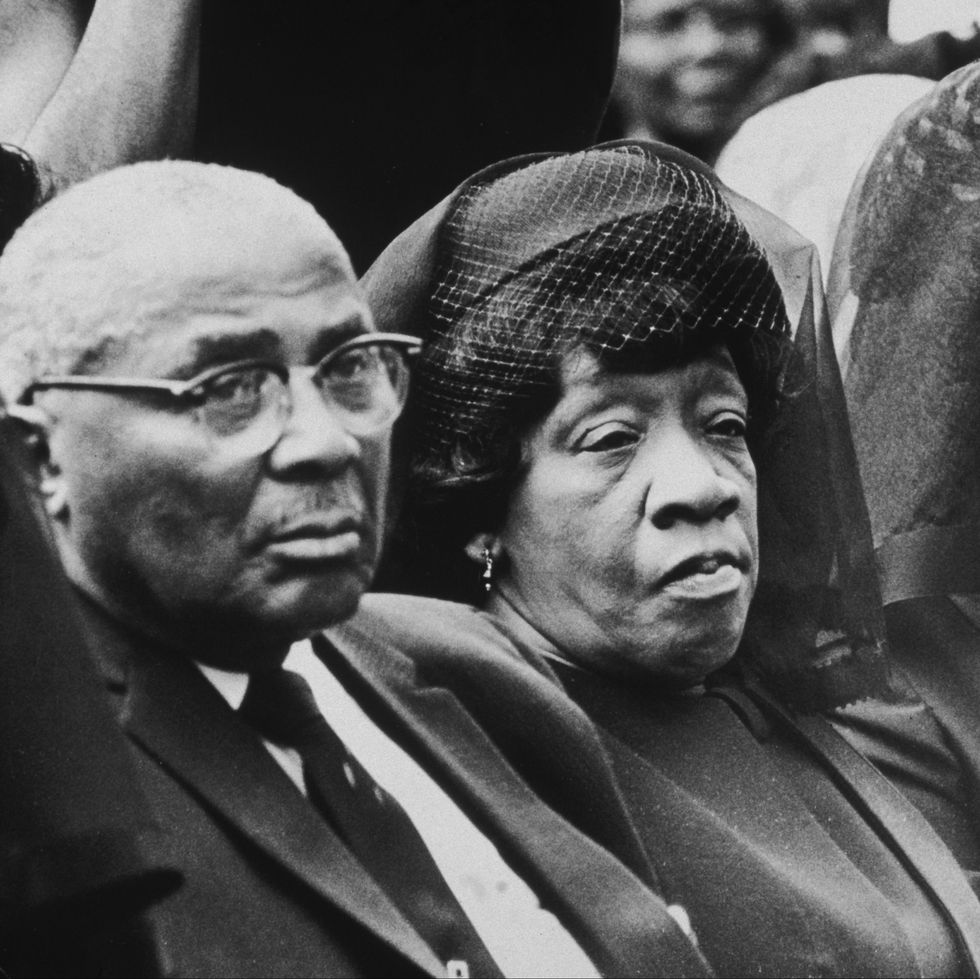
A middle child, Martin Jr. had an older sister, Willie, and a younger brother, Alfred. The King children grew up in a secure and loving environment. Martin Sr. was more the disciplinarian, while Alberta’s gentleness easily balanced out their father’s strict hand.
Although they undoubtedly tried, Martin Jr.’s parents couldn’t shield him completely from racism. His father fought against racial prejudice, not just because his race suffered, but also because he considered racism and segregation to be an affront to God’s will. He strongly discouraged any sense of class superiority in his children, which left a lasting impression on Martin Jr.
His baptism in May 1936 was less memorable for young King, but an event a few years later left him reeling. In May 1941, when King was 12 years old, his grandmother Jennie died of a heart attack. The event was traumatic for the boy, more so because he was out watching a parade against his parents’ wishes when she died. Distraught at the news, he jumped from a second-story window at the family home, allegedly attempting suicide.
Education
Growing up in Atlanta, King entered public school at age 5. He later attended Booker T. Washington High School, where he was said to be a precocious student. He skipped both the ninth and eleventh grades and, at age 15, entered Morehouse College in Atlanta in 1944. He was a popular student, especially with his female classmates, but largely unmotivated, floating through his first two years.
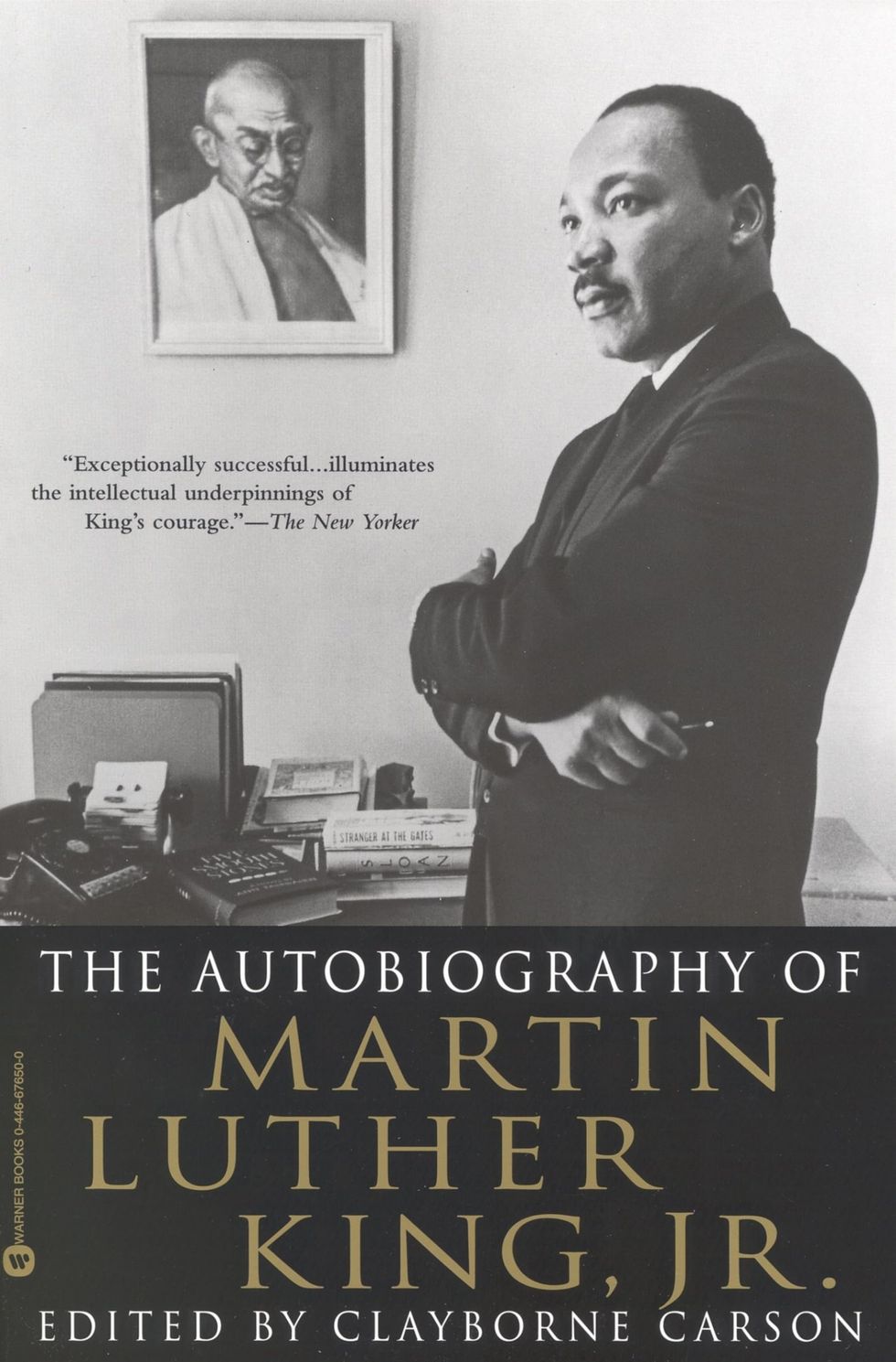
Influenced by his experiences with racism, King began planting the seeds for a future as a social activist early in his time at Morehouse. “I was at the point where I was deeply interested in political matters and social ills,” he recalled in The Autobiography of Martin Luther King, Jr. “I could envision myself playing a part in breaking down the legal barriers to Negro rights.”
The Autobiography of Martin Luther King, Jr.
At the time, King felt that the best way to serve that purpose was as a lawyer or a doctor. Although his family was deeply involved in the church and worship, King questioned religion in general and felt uncomfortable with overly emotional displays of religious worship. This discomfort had continued through much of his adolescence, initially leading him to decide against entering the ministry, much to his father’s dismay.
But in his junior year at Morehouse, King took a Bible class, renewed his faith, and began to envision a career in the ministry. In the fall of his senior year, he told his father of his decision, and he was ordained at Ebenezer Baptist Church in February 1948.
Later that year, King earned a sociology degree from Morehouse College and began attended the liberal Crozer Theological Seminary in Chester, Pennsylvania. He thrived in all his studies, was elected student body president, and was valedictorian of his class in 1951. He also earned a fellowship for graduate study.
Even though King was following his father’s footsteps, he rebelled against Martin Sr.’s more conservative influence by drinking beer and playing pool while at college. He became romantically involved with a white woman and went through a difficult time before he could break off the relationship.
During his last year in seminary, King came under the guidance of Morehouse College President Benjamin E. Mays, who influenced King’s spiritual development. Mays was an outspoken advocate for racial equality and encouraged King to view Christianity as a potential force for social change.
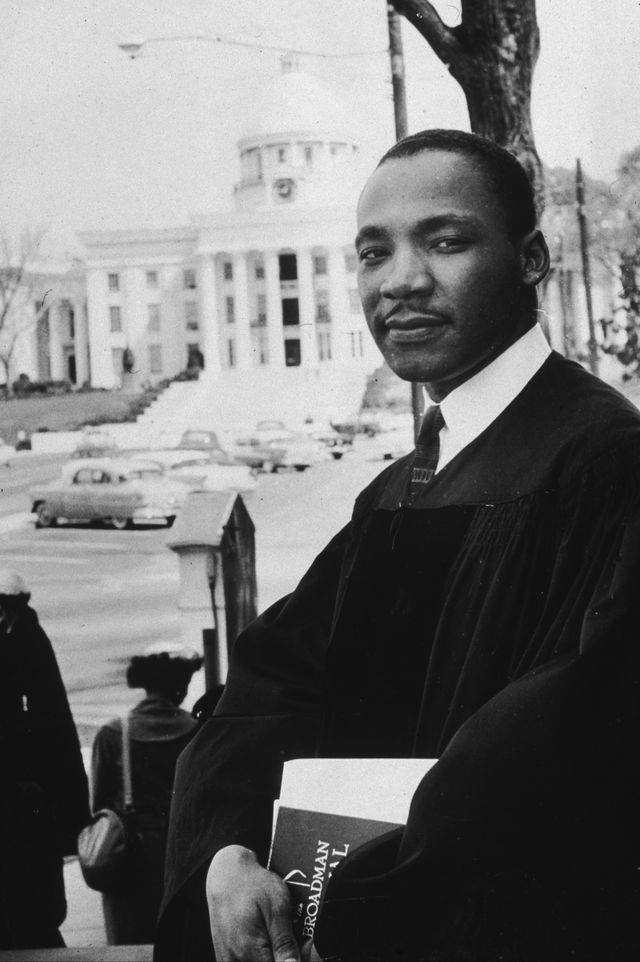
After being accepted at several colleges for his doctoral study, King enrolled at Boston University. In 1954, while still working on his dissertation, King became pastor of the Dexter Avenue Baptist Church of Montgomery, Alabama. He completed his doctorate and earned his degree in 1955 at age 25.
Decades after King’s death, in the late 1980s, researchers at Stanford University’s King Papers Project began to note similarities between passages of King’s doctoral dissertation and those of another student’s work. A committee of scholars appointed by Boston University determined that King was guilty of plagiarism in 1991, though it also recommended against the revocation of his degree.
Philosophy of Nonviolence

First exposed to the concept of nonviolent resistance while reading Henry David Thoreau’s On Civil Disobedience at Morehouse, King later discovered a powerful exemplar of the method’s possibilities through his research into the life of Mahatma Gandhi. Fellow civil rights activist Bayard Rustin, who had also studied Gandhi’s teachings, became one of King’s associates in the 1950s and counseled him to dedicate himself to the principles of nonviolence.
As explained in his autobiography, King previously felt that the peaceful teachings of Jesus applied mainly to individual relationships, not large-scale confrontations. But he came to realize: “Love for Gandhi was a potent instrument for social and collective transformation. It was in this Gandhian emphasis on love and nonviolence that I discovered the method for social reform that I had been seeking.”
It led to the formation of King’s six principles of nonviolence:
- Nonviolence is a way of life for courageous people.
- Nonviolence seeks to win friendship and understanding.
- Nonviolence seeks to defeat injustice, not people.
- Nonviolence holds that suffering for a just cause can educate and transform.
- Nonviolence chooses love instead of hate.
- Nonviolence believes that the universe is on the side of justice.
In the years to come, King also frequently cited the “Beloved Community”—a world in which a shared spirit of compassion brings an end to the evils of racism, poverty, inequality, and violence—as the end goal of his activist efforts.
In 1959, with the help of the American Friends Service Committee, King visited Gandhi’s birthplace in India. The trip affected him in a profound way, increasing his commitment to America’s civil rights struggle.
Civil Rights Accomplishments
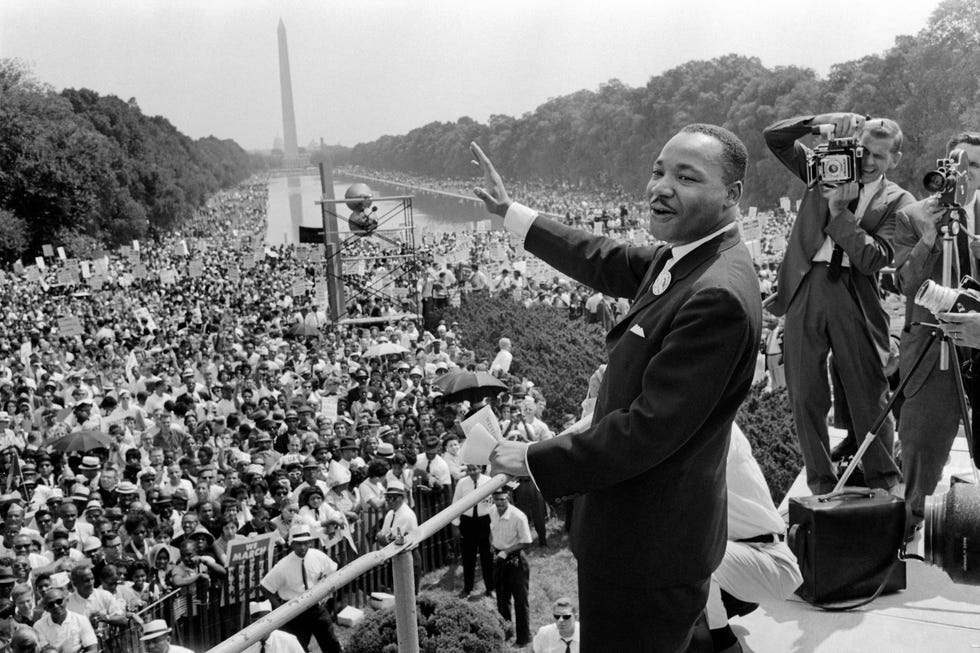
Led by his religious convictions and philosophy of nonviolence, King became one of the most prominent figures of the Civil Rights Movement. He was a founding member of the Southern Christian Leadership Conference and played key roles in several major demonstrations that transformed society. This included the Montgomery Bus Boycott that integrated Alabama’s public transit, the Greensboro Sit-In movement that desegregated lunch counters across the South, the March on Washington that led to the passage of the 1964 Civil Rights Act, and the Selma-to-Montgomery marches in Alabama that culminated in the 1965 Voting Rights Act.
King’s efforts earned him the Nobel Peace Prize in 1964 when he was 35.
Montgomery Bus Boycott
King’s first leadership role within the Civil Rights Movement was during the Montgomery Bus Boycott of 1955–1956. The 381-day protest integrated the Alabama city’s public transit in one of the largest and most successful mass movements against racial segregation in history.
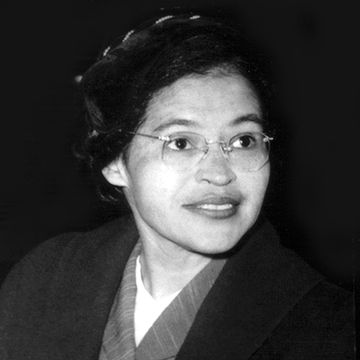
The effort began on December 1, 1955, when 42-year-old Rosa Parks boarded the Cleveland Avenue bus to go home after work. She sat in the first row of the “colored” section in the middle of the bus. As more passengers boarded, several white men were left standing, so the bus driver demanded that Parks and several other African Americans give up their seats. Three other Black passengers reluctantly gave up their places, but Parks remained seated.
The driver asked her again to give up her seat, and again, she refused. Parks was arrested and booked for violating the Montgomery City Code. At her trial a week later, in a 30-minute hearing, Parks was found guilty and fined $10 and assessed $4 court fee.
On the night Parks was arrested, E.D. Nixon, head of the local NAACP chapter, met with King and other local civil rights leaders to plan a Montgomery Bus Boycott. King was elected to lead the boycott because he was young, well-trained, and had solid family connections and professional standing. He was also new to the community and had few enemies, so organizers felt he would have strong credibility with the Black community.
In his first speech as the group’s president, King declared:
“We have no alternative but to protest. For many years, we have shown an amazing patience. We have sometimes given our white brothers the feeling that we liked the way we were being treated. But we come here tonight to be saved from that patience that makes us patient with anything less than freedom and justice.”
King’s skillful rhetoric put new energy into the civil rights struggle in Alabama. The Montgomery Bus Boycott began December 5, 1955, and for more than a year, the local Black community walked to work, coordinated ride sharing, and faced harassment, violence, and intimidation. Both King’s and Nixon’s homes were attacked.
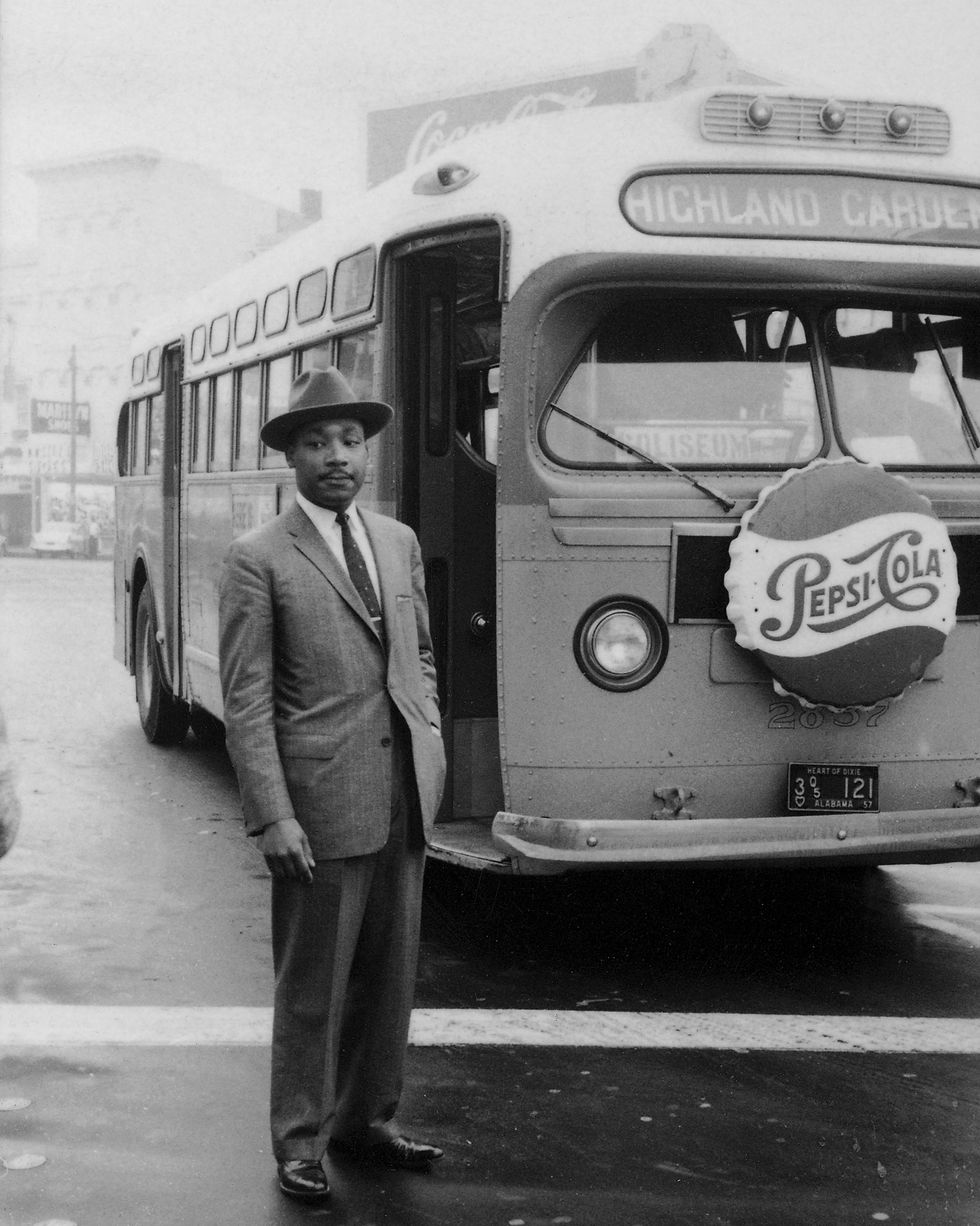
In addition to the boycott, members of the Black community took legal action against the city ordinance that outlined the segregated transit system. They argued it was unconstitutional based on the U.S. Supreme Court’s “separate is never equal” decision in Brown v. Board of Education (1954). Several lower courts agreed, and the nation’s Supreme Court upheld the ruling in a November 13, 1956, decision that also ruled the state of Alabama’s bus segregation laws were unconstitutional.
After the legal defeats and large financial losses, the city of Montgomery lifted the law that mandated segregated public transportation. The boycott ended on December 20, 1956.
Southern Christian Leadership Conference
Flush with victory, African American civil rights leaders recognized the need for a national organization to help coordinate their efforts. In January 1957, King, Ralph Abernathy, and 60 ministers and civil rights activists founded the Southern Christian Leadership Conference to harness the moral authority and organizing power of Black churches. The SCLC helped conduct nonviolent protests to promote civil rights reform.
King’s participation in the organization gave him a base of operation throughout the South, as well as a national platform. The SCLC felt the best place to start to give African Americans a voice was to enfranchise them in the voting process. In February 1958, the SCLC sponsored more than 20 mass meetings in key southern cities to register Black voters. King met with religious and civil rights leaders and lectured all over the country on race-related issues.
Greensboro Sit-In
By 1960, King was gaining national exposure. He returned to Atlanta to become co-pastor with his father at Ebenezer Baptist Church but also continued his civil rights efforts. His next activist campaign was the student-led Greensboro Sit-In movement.
In February 1960, a group of Black students in Greensboro, North Carolina, began sitting at racially segregated lunch counters in the city’s stores. When asked to leave or sit in the “colored” section, they just remained seated, subjecting themselves to verbal and sometimes physical abuse.
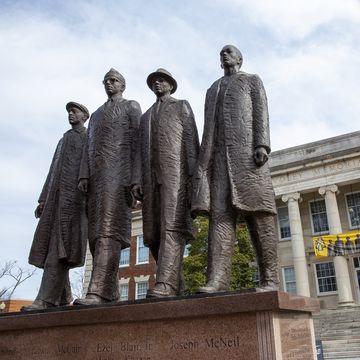
The movement quickly gained traction in several other cities. That April, the SCLC held a conference at Shaw University in Raleigh, North Carolina, with local sit-in leaders. King encouraged students to continue to use nonviolent methods during their protests. Out of this meeting, the Student Nonviolent Coordinating Committee (SNCC) formed and, for a time, worked closely with the SCLC. By August 1960, the sit-ins had successfully ended segregation at lunch counters in 27 southern cities. But the movement wasn’t done yet.
On October 19, 1960, King and 75 students entered a local department store and requested lunch-counter service but were denied. When they refused to leave the counter area, King and 36 others were arrested. Realizing the incident would hurt the city’s reputation, Atlanta’s mayor negotiated a truce, and charges were eventually dropped.
Soon after, King was imprisoned for violating his probation on a traffic conviction. The news of his imprisonment entered the 1960 presidential campaign when candidate John F. Kennedy made a phone call to Martin’s wife, Coretta Scott King. Kennedy expressed his concern over the harsh treatment Martin received for the traffic ticket, and political pressure was quickly set in motion. King was soon released.
Letter from Birmingham Jail
In the spring of 1963, King organized a demonstration in downtown Birmingham, Alabama. With entire families in attendance, city police turned dogs and fire hoses on demonstrators. King was jailed, along with large numbers of his supporters.
The event drew nationwide attention. However, King was personally criticized by Black and white clergy alike for taking risks and endangering the children who attended the demonstration.
In his famous Letter from Birmingham Jail, King eloquently spelled out his theory of nonviolence: “Nonviolent direct action seeks to create such a crisis and foster such a tension that a community, which has constantly refused to negotiate, is forced to confront the issue.”
1963 March on Washington
By the end of the Birmingham campaign, King and his supporters were making plans for a massive demonstration on the nation’s capital composed of multiple organizations, all asking for peaceful change. The demonstration was the brainchild of labor leader A. Philip Randolph and King’s one-time mentor Bayard Rustin.
On August 28, 1963, the historic March on Washington for Jobs and Freedom drew an estimated 250,000 people in the shadow of the Lincoln Memorial. It remains one of the largest peaceful demonstrations in American history. During the demonstration, King delivered his famed “I Have a Dream” speech.
The rising tide of civil rights agitation that had culminated in the March on Washington produced a strong effect on public opinion. Many people in cities not experiencing racial tension began to question the nation’s Jim Crow laws and the near-century of second-class treatment of African American citizens since the end of slavery. This resulted in the passage of the Civil Rights Act of 1964, authorizing the federal government to enforce desegregation of public accommodations and outlawing discrimination in publicly owned facilities.
Selma March
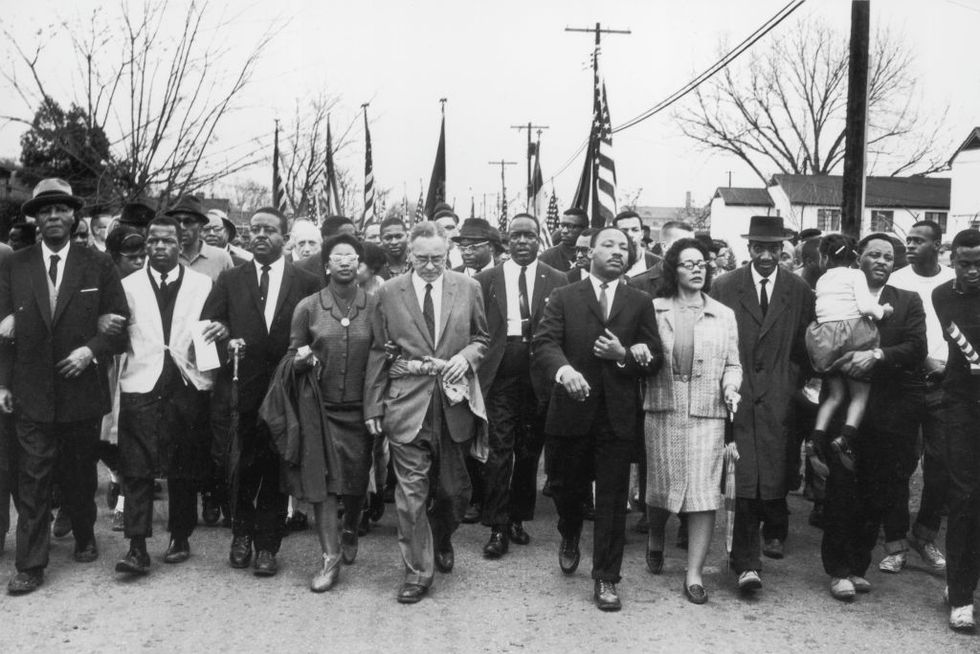
Continuing to focus on voting rights, King, the SCLC, SNCC, and local organizers planned to march peacefully from Selma, Alabama, to the state’s capital, Montgomery.
Led by John Lewis and Hosea Williams, demonstrators set out on March 7, 1965. But the Selma march quickly turned violent as police with nightsticks and tear gas met the demonstrators as they tried to cross the Edmund Pettus Bridge in Selma. The attack was televised, broadcasting the horrifying images of marchers being bloodied and severely injured to a wide audience. Of the 600 demonstrators, 58 were hospitalized in a day that became known as “Bloody Sunday.” King, however, was spared because he was in Atlanta.
Not to be deterred, activists attempted the Selma-to-Montgomery march again. This time, King made sure he was part of it. Because a federal judge had issued a temporary restraining order on another march, a different approach was taken.
On March 9, 1965, a procession of 2,500 marchers, both Black and white, set out once again to cross the Pettus Bridge and confronted barricades and state troopers. Instead of forcing a confrontation, King led his followers to kneel in prayer, then they turned back. This became known as “Turnaround Tuesday.”
Alabama Governor George Wallace continued to try to prevent another march until President Lyndon B. Johnson pledged his support and ordered U.S. Army troops and the Alabama National Guard to protect the protestors.
On March 21, 1965, approximately 2,000 people began a march from Selma to Montgomery. On March 25, the number of marchers, which had grown to an estimated 25,000 gathered in front of the state capitol where King delivered a televised speech. Five months after the historic peaceful protest, President Johnson signed the 1965 Voting Rights Act.
“I Have a Dream” and Other Famous Speeches
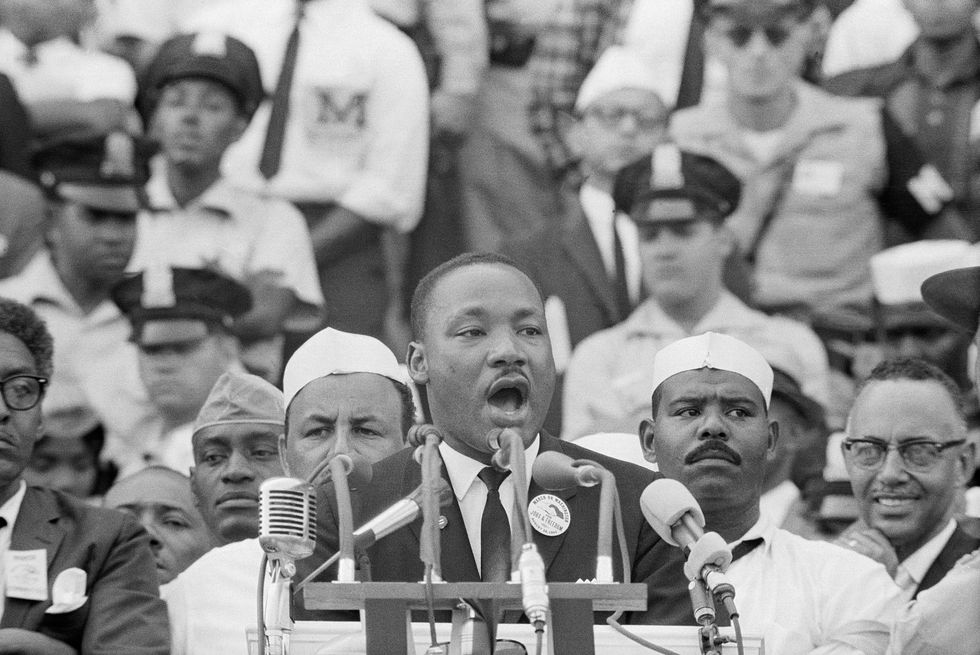
Along with his “I Have a Dream” and “I’ve Been to the Mountaintop” speeches, King delivered several acclaimed addresses over the course of his life in the public eye:
Wife and Kids
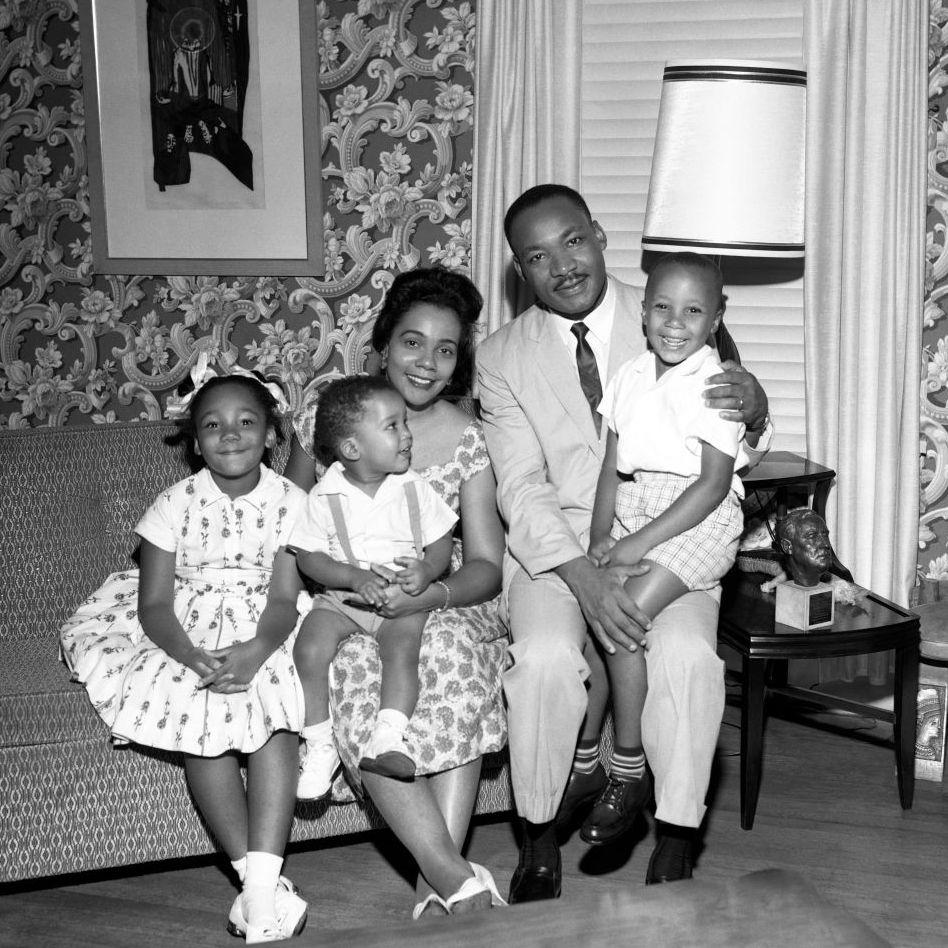
While working on his doctorate at Boston University, King met Coretta Scott, an aspiring singer and musician at the New England Conservatory school in Boston. They were married on June 18, 1953, and had four children—two daughters and two sons—over the next decade. Their oldest, Yolanda, was born in 1955, followed by sons Martin Luther King III in 1957 and Dexter in 1961. The couple welcomed Bernice King in 1963.
In addition to raising the children while Martin travelled the country, Coretta opened their home to organizational meetings and served as an advisor and sounding board for her husband. “I am convinced that if I had not had a wife with the fortitude, strength, and calmness of Corrie, I could not have withstood the ordeals and tensions surrounding the movement,” Martin wrote in his autobiography.
His lengthy absences became a way of life for their children, but Martin III remembered his father returning from the road to join the kids playing in the yard or bring them to the local YMCA for swimming. Martin Jr. also fostered discussions at mealtimes to make sure everyone understood the important issues he was seeking to resolve.

Leery of accumulating wealth as a high-profile figure, Martin Jr. insisted his family live off his salary as a pastor. However, he was known to splurge on good suits and fine dining, while contrasting his serious public image with a lively sense of humor among friends and family.
FBI Surveillance
Due to his relationships with alleged Communists, King became a target of FBI surveillance and, from late 1963 until his death, a campaign to discredit the civil rights activist. While FBI wiretaps failed to produce evidence of Communist sympathies, they captured the civil rights leader’s engagement in extramarital affairs. This led to the infamous “suicide letter” of 1964, later confirmed to be from the FBI and authorized by then-Director J. Edgar Hoover, which urged King to kill himself if he wanted to prevent news of his dalliances from going public.
In 2019, historian David Garrow wrote of explosive new allegations against King following his review of recently released FBI documents. Among the discoveries was a memo suggesting that King had encouraged the rape of a parishioner in a hotel room as well as evidence that he might have fathered a daughter with a mistress. Other historians questioned the veracity of the documentation, especially given the FBI’s known attempts to damage King’s reputation. The original surveillance tapes regarding these allegations are under judicial seal until 2027.
Later Activism
From late 1965 through 1967, King expanded his civil rights efforts into other larger American cities, including Chicago and Los Angeles. He was met with increasing criticism and public challenges from young Black power leaders. King’s patient, nonviolent approach and appeal to white middle-class citizens alienated many Black militants who considered his methods too weak, too late, and ineffective.
To address this criticism, King began making a link between discrimination and poverty, and he began to speak out against the Vietnam War. He felt America’s involvement in Vietnam was politically untenable and the government’s conduct in the war was discriminatory to the poor. He sought to broaden his base by forming a multiracial coalition to address the economic and unemployment problems of all disadvantaged people. To that end, plans were in the works for another march on Washington to highlight the Poor People’s Campaign, a movement intended to pressure the government into improving living and working conditions for the economically disadvantaged.
By 1968, the years of demonstrations and confrontations were beginning to wear on King. He had grown tired of marches, going to jail, and living under the constant threat of death. He was becoming discouraged at the slow progress of civil rights in America and the increasing criticism from other African American leaders.
In the spring of 1968, a labor strike by Memphis, Tennessee, sanitation workers drew King to one last crusade. On April 3, 1968, he gave his final and what proved to be an eerily prophetic speech, “I’ve Been to the Mountaintop,” in which he told supporters, “Like anybody, I would like to live a long life. Longevity has its place. But I’m not concerned about that now… I’m not worried about anything. I’m not fearing any man. Mine eyes have seen the glory of the coming of the Lord.”
When Did Martin Luther King Jr. Die?
In September 1958, King survived an attempt on his life when a woman with mental illness stabbed him in the chest as he signed copies of his book Stride Toward Freedom in a New York City department store. Saved by quick medical attention, King expressed sympathy for his assailant’s condition in the aftermath.
A decade later, King was again targeted, and this time he didn’t survive.
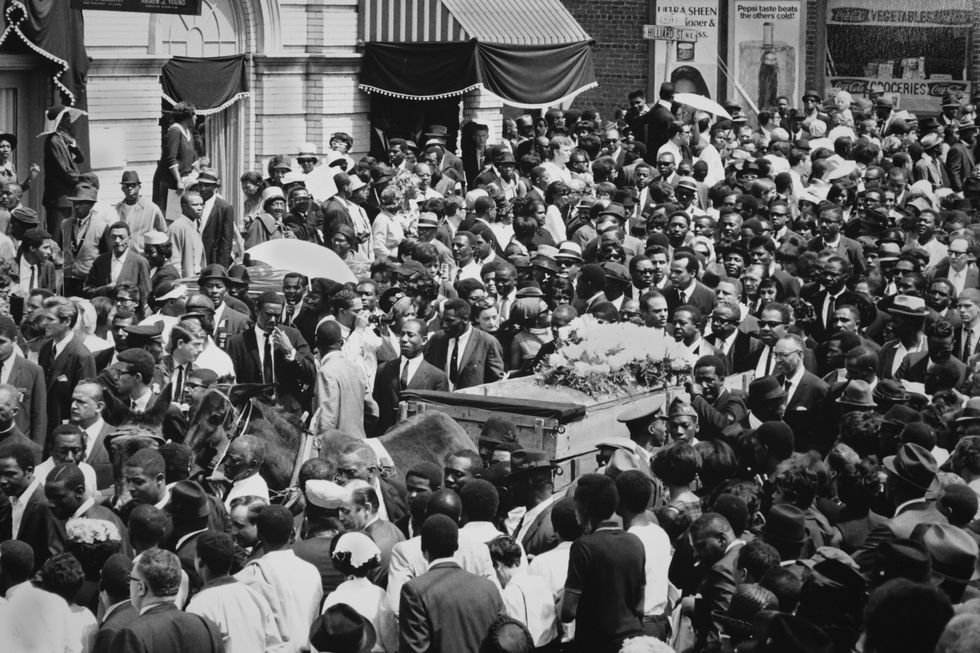
While standing on a balcony outside his room at the Lorraine Motel in Memphis, Tennessee, Martin Luther King Jr. was killed by a sniper’s bullet on April 4, 1968. King died at age 39. The shocking assassination sparked riots and demonstrations in more than 100 cities across the country.
The shooter was James Earl Ray, a malcontent drifter and former convict. He initially escaped authorities but was apprehended after a two-month international manhunt. In 1969, Ray pleaded guilty to assassinating King and was sentenced to 99 years in prison.
The identity of King’s assassin has been the source of some controversy. Ray recanted his confession shortly after he was sentenced, and King’s son Dexter publicly defended Ray’s innocence after meeting with the convicted gunman in 1997. Another complicating factor is the 1993 confession of tavern owner Loyd Jowers, who said he contracted a different hit man to kill King. In June 2000, more than two years after Ray died, the U.S. Justice Department released a report that dismissed the alternative theories of King’s death.
Legacy
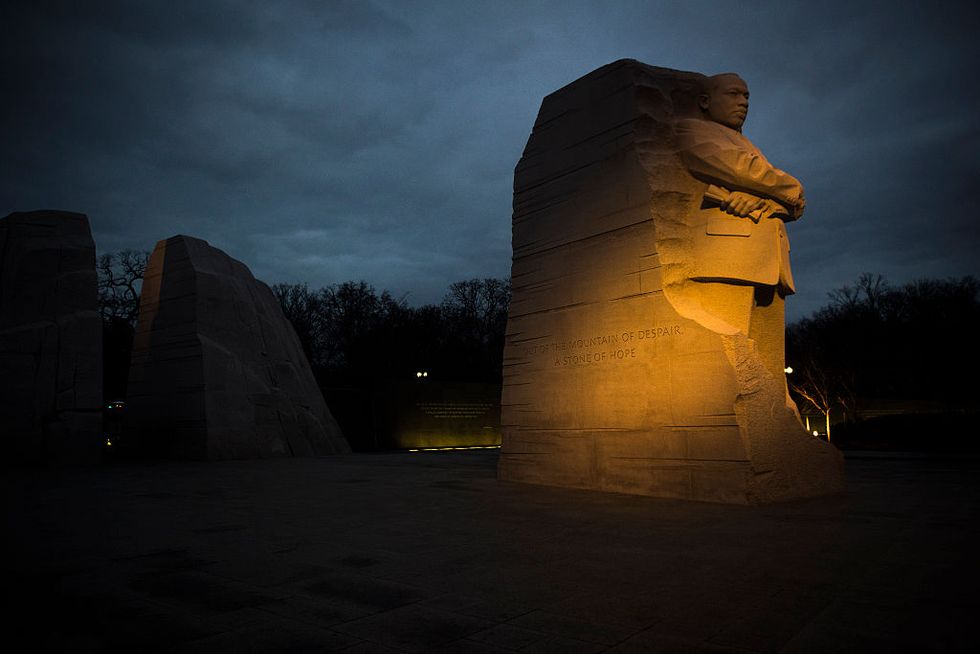
King’s life had a seismic impact on race relations in the United States. Years after his death, he is the most widely known Black leader of his era. His life and work have been honored with a national holiday, schools and public buildings named after him, and a memorial on Independence Mall in Washington D.C.
Martin Luther King Jr. Day
The idea to make King’s birthday a national holiday came just four days after his assassination when Representative John Conyers first proposed a bill memorializing the day, but it took more than a decade before the proposal even made it to the U.S. House floor. Finally, in 1983, President Ronald Reagan signed the legislation into law, and three years later, the first federal observance of Martin Luther King Jr. Day was held on January 20, 1986.
Over the years, extensive archival studies have led to a more balanced and comprehensive assessment of King's life, portraying him as a complex figure: flawed, fallible, and limited in his control over the mass movements with which he was associated, yet a visionary leader who was deeply committed to achieving social justice through nonviolent means.
Quotes
- But we come here tonight to be saved from that patience that makes us patient with anything less than freedom and justice.
- There comes a time when the cup of endurance runs over and men are no longer willing to be plunged into an abyss of injustice where they experience the bleakness of corroding despair.
- Any law that uplifts human personality is just. Any law that degrades human personality is unjust.
- The whirlwinds of revolt will continue to shake the foundations of our nation until the bright day of justice emerges.
- Let us not seek to satisfy our thirst for freedom by drinking from the cup of bitterness and hatred.
- Darkness cannot drive out darkness: only light can do that. Hate cannot drive out hate: only love can do that.
- The ultimate measure of a man is not where he stands in moments of comfort and convenience, but where he stands at times of challenge and controversy. The true neighbor will risk his position, his prestige, and even his life for the welfare of others.
- We must all learn to live together as brothers, or we will all perish together as fools.
- Forgiveness is not an occasional act; it is a permanent attitude.
- I have a dream that my four children will one day live in a nation where they will not be judged by the color of their skin but by the content of their character.
- The function of education, therefore, is to teach one to think intensively and to think critically. But education which stops with efficiency may prove the greatest menace to society. The most dangerous criminal may be the man gifted with reason but with no morals.
- I’ve seen the promised land. I may not get there with you. But I want you to know tonight that we, as a people, will get to the promised land.
- Power at its best is love implementing the demands of justice. Justice at its best is love correcting everything that stands against love.
- A man who won’t die for something is not fit to live.
- At the center of non-violence stands the principle of love.
- Right, temporarily defeated, is stronger than evil triumphant.
- In the end, we will remember not the words of our enemies, but the silence of our friends.
- Injustice anywhere is a threat to justice everywhere.
- Our lives begin to end the day we become silent about things that matter.
Fact Check: We strive for accuracy and fairness. If you see something that doesn’t look right, contact us!
The Biography.com staff is a team of people-obsessed and news-hungry editors with decades of collective experience. We have worked as daily newspaper reporters, major national magazine editors, and as editors-in-chief of regional media publications. Among our ranks are book authors and award-winning journalists. Our staff also works with freelance writers, researchers, and other contributors to produce the smart, compelling profiles and articles you see on our site. To meet the team, visit our About Us page: https://www.biography.com/about/a43602329/about-us
Catherine Caruso joined the Biography.com staff in August 2024, having previously worked as a freelance journalist for several years. She is a graduate of Syracuse University, where she studied English literature. When she’s not working on a new story, you can find her reading, hitting the gym, or watching too much TV.