(1801-1872)
Who Was William Seward?
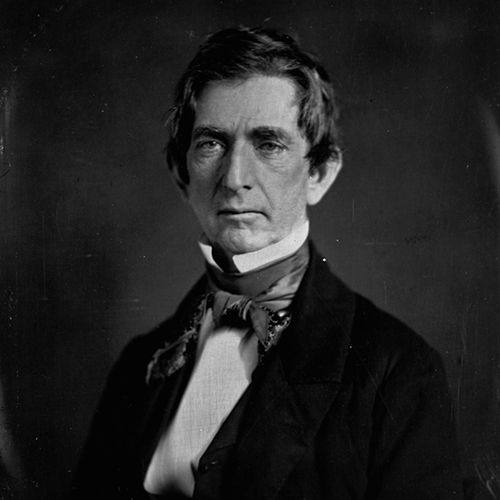
Politician William Seward served as a New York senator from 1830 to 1834, New York governor from 1839 to 1842, and a U.S. senator from 1849 to 1861. He went on to serve as the nation's secretary of state from 1861 to 1869, under Abraham Lincoln and Andrew Johnson. In 1867, Seward organized the purchase of the Alaska territory. He was an active abolitionist throughout his life and supported Harriet Tubman in the purchase of property in his hometown of Auburn, New York, where he died on October 10, 1872.
Early Life and Influences
William Henry Seward was born on May 16, 1801, in Florida, New York. He was the fourth of six children born to Mary Jennings and Samuel Sweezy Seward, a successful businessman and doctor who was also active in local politics, and went on to found the S.S. Seward Institute, a secondary school that is still active today. Mary Jennings was of Irish descent and may have been the source for her son’s thicket of unruly red hair.
A passionate student, Seward was sent to Farmers' Hall Academy and then Union College when he was 15, although he ran away to Georgia for a brief stint before graduating. His time teaching in the South, although a pleasant diversion, reinforced Seward's growing antislavery sentiments that had begun at a young age when he became friends with his family's several slaves.
Seward studied law privately after graduation, and when paying a visit to Frances Miller—a young woman he had met through his sister, Cornelia—he was fortunate to find that her father, Judge Elijah Miller, was seeking a junior partner. Seward and Frances were married on October 20, 1824, and thereafter, they moved into the Miller family home in Auburn, New York. Both Seward and his new wife were committed to the abolition of slavery, as well as other types of social reform that were controversial at the time.
Political Life
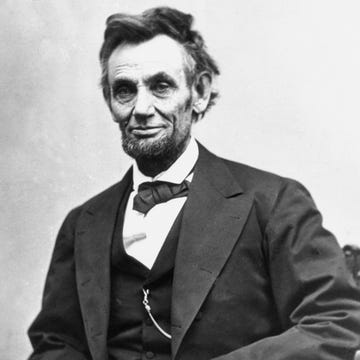
With his natural loquaciousness and passion for social justice and an alliance with political strategist Thurlow Weed, Seward was propelled into politics. He earned a term in the New York Senate in 1830 and went on to serve as governor of New York for two terms, from 1839 to 1842. From 1849 to 1861, he served as a U.S. senator from New York, and then—passed over as presidential candidate in favor of Abraham Lincoln—was appointed to President Lincoln's cabinet as secretary of state. Seward and Lincoln shared a close professional relationship and personal friendship, marked by respect and good humor.
Although Seward earned himself political enemies by first calling the conflict with the South "irrepressible" and then urging caution, once the Civil War began he was unwavering in the goal to preserve the Union. Additionally, his foreign policy isolating the Confederacy from foreign allies was and continues to be highly praised.
After Lincoln's assassination, Seward continued as secretary of state under President Andrew Johnson—his crown jewel of that term being the acquisition of Alaska, despite derisive nicknames such as "Seward's Folly," "Seward's Icebox" and "Polar Bear Garden."
Later Life, Legacy and Lesser Known Facts
An attempt was made on Seward’s life by an ally of John Wilkes Booth the same night as Lincoln's assassination.
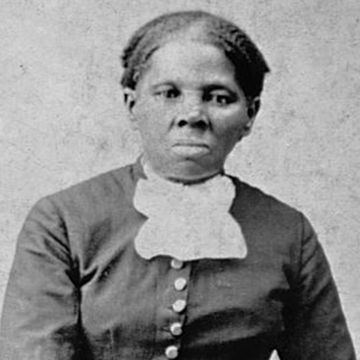
Seward and wife Frances, who had five children together and adopted one daughter, were active abolitionists throughout their lives. There is evidence that they were involved in the Underground Railroad, and lent financial backing to Frederick Douglass's North Star newspaper in Rochester, New York. Seward supported Harriet Tubman in the purchase of property in his hometown of Auburn, New York, where he died on October 10, 1872.
Seward's disheveled appearance and ever-present cigar may conjure Columbo, but the clever and capable statesman’s legacy is one of accomplishment and vision. His most recent biographer, Walter Stahr, author of Seward: Lincoln's Indispensable Man, asserts that Seward is considered an exemplary secretary of state, second only to John Quincy Adams.
William Seward is said to be the first New Yorker honored with a monument in the city: A statue of Seward by Randolph Rogers, located in Madison Square Park in New York City, was dedicated in 1876.
QUICK FACTS
- Name: William Seward
- Birth Year: 1801
- Birth date: May 16, 1801
- Birth State: New York
- Birth City: Florida
- Birth Country: United States
- Gender: Male
- Best Known For: William Seward was a New York governor and U.S. senator before serving as secretary of state under Abraham Lincoln and Andrew Johnson.
- Industries
- U.S. Politics
- Civil Rights
- Astrological Sign: Taurus
- Schools
- Farmers' Hall Academy
- Union College
- Death Year: 1872
- Death date: October 10, 1872
- Death State: New York
- Death City: Auburn
- Death Country: United States
Fact Check
We strive for accuracy and fairness.If you see something that doesn't look right,contact us!
CITATION INFORMATION
- Article Title: William Seward Biography
- Author: Biography.com Editors
- Website Name: The Biography.com website
- Url: https://www.biography.com/political-figures/william-seward
- Access Date:
- Publisher: A&E; Television Networks
- Last Updated: April 14, 2021
- Original Published Date: April 2, 2014
QUOTES
- The right to have a slave implies the right in some one to make the slave; that right must be equal and mutual, and this would resolve society into a state of perpetual war.
- The United States are a political state, or organized society, whose end is government, for the security, welfare, and happiness of all who live under its protection.
- Sir, there is no Christian nation, thus free to choose as we are, which would establish slavery.