(1215-1294)
Who Was Kublai Khan?
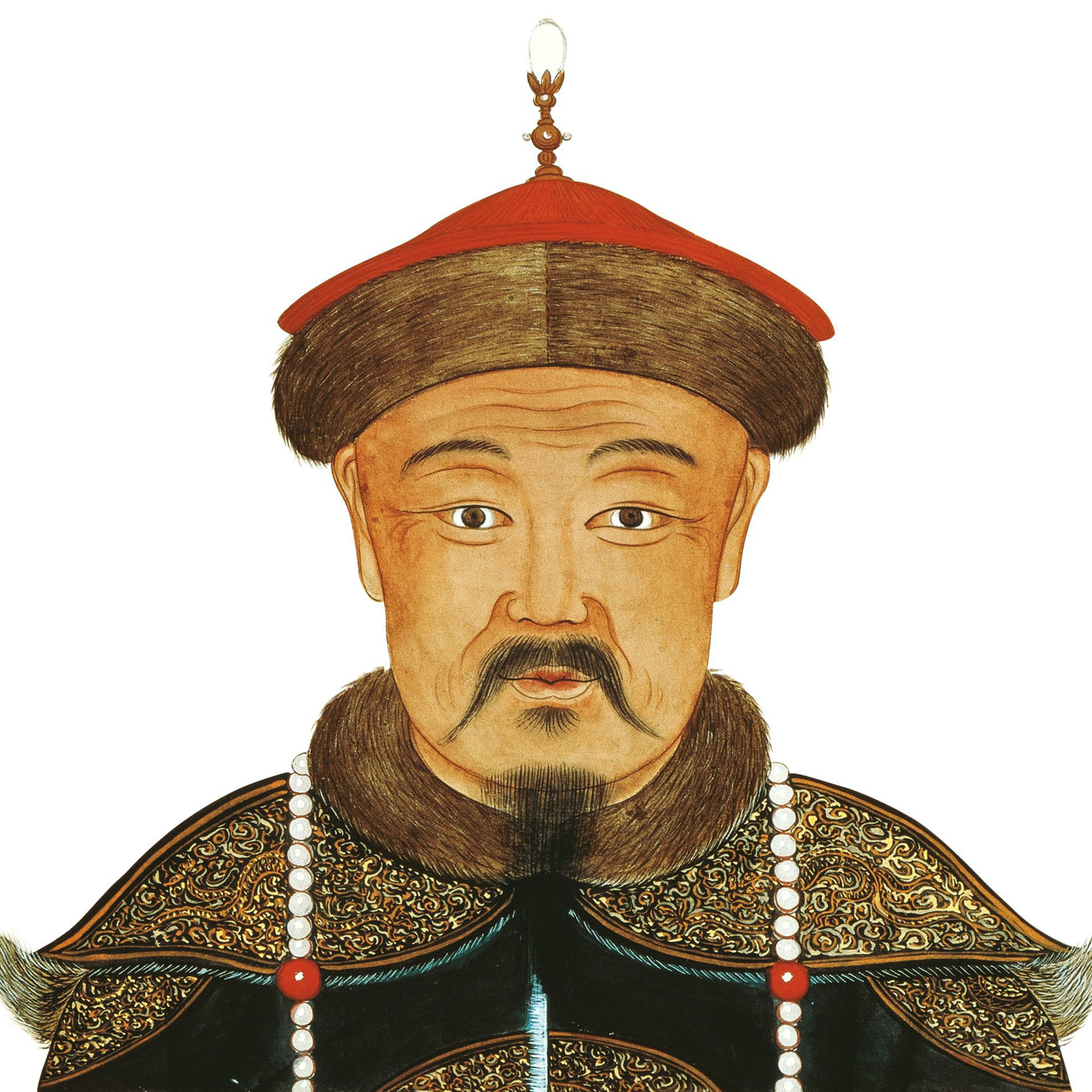
Kublai Khan rose to power in 1260 and became ruler of the vast Mongolian Empire his grandfather, Genghis Khan, had established. He distinguished himself from his predecessors by ruling through an administrative apparatus that respected and embraced the local customs of conquered peoples, rather than by might alone. His subjugation of the Song Dynasty in southern China made him the first Mongol to rule over the entire country and led to a long period of prosperity for the empire. However, internal political strife, discriminatory social policies and numerous ill-fated military campaigns would ultimately undermine the long-term viability of his Yuan Dynasty.
Son of the Empire
Kublai Khan was the grandson of Genghis Khan, founder and first ruler of the Mongol Empire, which, at the time of Kublai’s birth in Mongolia on September 23, 1215, stretched from the Caspian Sea east to the Pacific Ocean. Raised in the nomadic traditions of the Mongolian steppes by his father, Tolui, and mother, Sorghaghtani Beki, Kublai was taught the art of warfare from a young age and, while still a boy, became a skilled fighter, hunter and horseman. In addition, he was exposed to Chinese culture and philosophy, for which he developed an affinity that would stay with him and inform many of his decisions later in life.
Kublai would gain his first real opportunity to apply his education when his brother Möngke became the Great Khan in 1251. He placed Kublai in charge of northern China while he set out to conquer their enemies to the south. In deference to the learning and customs of the population under his control, Kublai surrounded himself with Chinese advisers and established a new northern capital called Shangdu. No mere bureaucrat, Kublai also helped his brother expand the empire with successful military campaigns of his own. However, he would distinguish himself from his forebears with the restraint with which he dealt with conquered peoples.
Emergence
In 1259, while locked in battle with the Song in southern China, Kublai received word that Möngke had been killed in battle. Soon after he learned that his younger brother Ariq Böke had consolidated power at the Mongolian capital of Karakorum and called a meeting of royal families who named him Great Khan. With his own designs on the throne, Kublai forged a truce with the Song and returned home, where he disputed his brother’s claim and had himself named Great Khan in 1260.
The brothers’ competing claims would spark a civil war between the two factions, with Kublai eventually emerging victorious in 1264. Ariq Böke surrendered in Shangdu (also known as Xanadu) to Kublai, who spared his life. However, Kublai would have all of his supporters executed, securing his place as the new Great Khan of the Mongolian Empire.
The Wise Khan
Once more exhibiting his respect for Chinese culture, and eschewing the custom of his predecessors to rule with an iron fist, Kublai Khan moved the capital of the empire from Karakorum to Dadu, in what is now modern-day Beijing, and ruled through an administrative structure more in keeping with local tradition. Though not without its problems, Kublai Khan’s rule was distinguished by its improvements in infrastructure, religious tolerance, use of paper money as the primary means of exchange and trade expansion with the West.
He also introduced a new social structure that divided the population into four classes: The Mongolian aristocracy and a foreign merchant class were both exempt from taxation and enjoyed special privileges, while the northern and southern Chinese bore most of the empire's economic burden and were compelled to do much of the manual labor.
Expansion
For his relatively benevolent reign, Kublai would eventually earn himself the nickname Wise Khan. However, his ambitions extended well beyond the borders of his existing empire, and in 1267, he renewed his efforts to subdue the Song Dynasty in southern China. The campaign would prove to be a lengthy one, in part due to the strategic difficulties it posed. The terrain was difficult for the cavalry—on which the might of the Mongolian forces heavily relied—to navigate. In addition, fortifications necessitated new siege tactics, such as the building of catapults and territory best approached by sea required a significant expansion of the navy. Despite these challenges, by 1279,Kublai Khan had definitively conquered the Song and he became the first Mongol to rule the whole of China.
In celebration of his newly expanded empire, Kublai Khan declared a new Yuan Dynasty, of which he was the first and most successful ruler. Although the dynasty would ultimately prove to be short-lived, lasting only until 1368, it served as a precedent for the later Qing Dynasty.
Unraveling and Death
Though Kublai Khan’s Chinese-centric policies had their political advantages in some parts of the empire, it also earned him enemies in others, particularly among the Mongolian aristocracy, who felt that he had betrayed his heritage. At the core of this resentful contingent was his cousin Kaidu, who believed that power had unjustly passed to Möngke when his grandfather and former Great Khan, Ögödei, had died. Though Kaidu was never successful at unseating Kublai Khan, he remained a threat to his authority during his rule.
Closer to home for Kublai Khan, the discriminatory nature of his imposed social structure also led to deep resentment among the lower Chinese classes, who were constantly overtaxed to pay for a series of unsuccessful military campaigns, including failed attempts to conquer Japan, Burma and Java.
Though he never abandoned his ambitions to further extend his empire, these defeats, coupled with personal losses that included the death of his favorite wife and oldest son and heir, weighed heavily on Kublai Khan. He began to drink and eat in excess, becoming overweight and developing gout. He died on February 18, 1294, at the age of 79.
QUICK FACTS
- Name: Kublai Khan
- Birth Year: 1215
- Birth date: September 23, 1215
- Birth Country: Mongolia
- Gender: Male
- Best Known For: Mongolian general and statesman Kublai Khan was the grandson of Genghis Khan. After conquering China, he founded the country's Yuan Dynasty and became its first emperor.
- Industries
- World Politics
- War and Militaries
- Astrological Sign: Libra
- Nacionalities
- Mongolian (Mongolia)
- Death Year: 1294
- Death date: February 18, 1294
Fact Check
We strive for accuracy and fairness.If you see something that doesn't look right,contact us!
CITATION INFORMATION
- Article Title: Kublai Khan Biography
- Author: Biography.com Editors
- Website Name: The Biography.com website
- Url: https://www.biography.com/political-figures/kublai-khan
- Access Date:
- Publisher: A&E; Television Networks
- Last Updated: May 24, 2021
- Original Published Date: April 2, 2014